

The Dunning–Kruger Effect in Investing: Why Professional Caution Is a Strength
10th April 2026
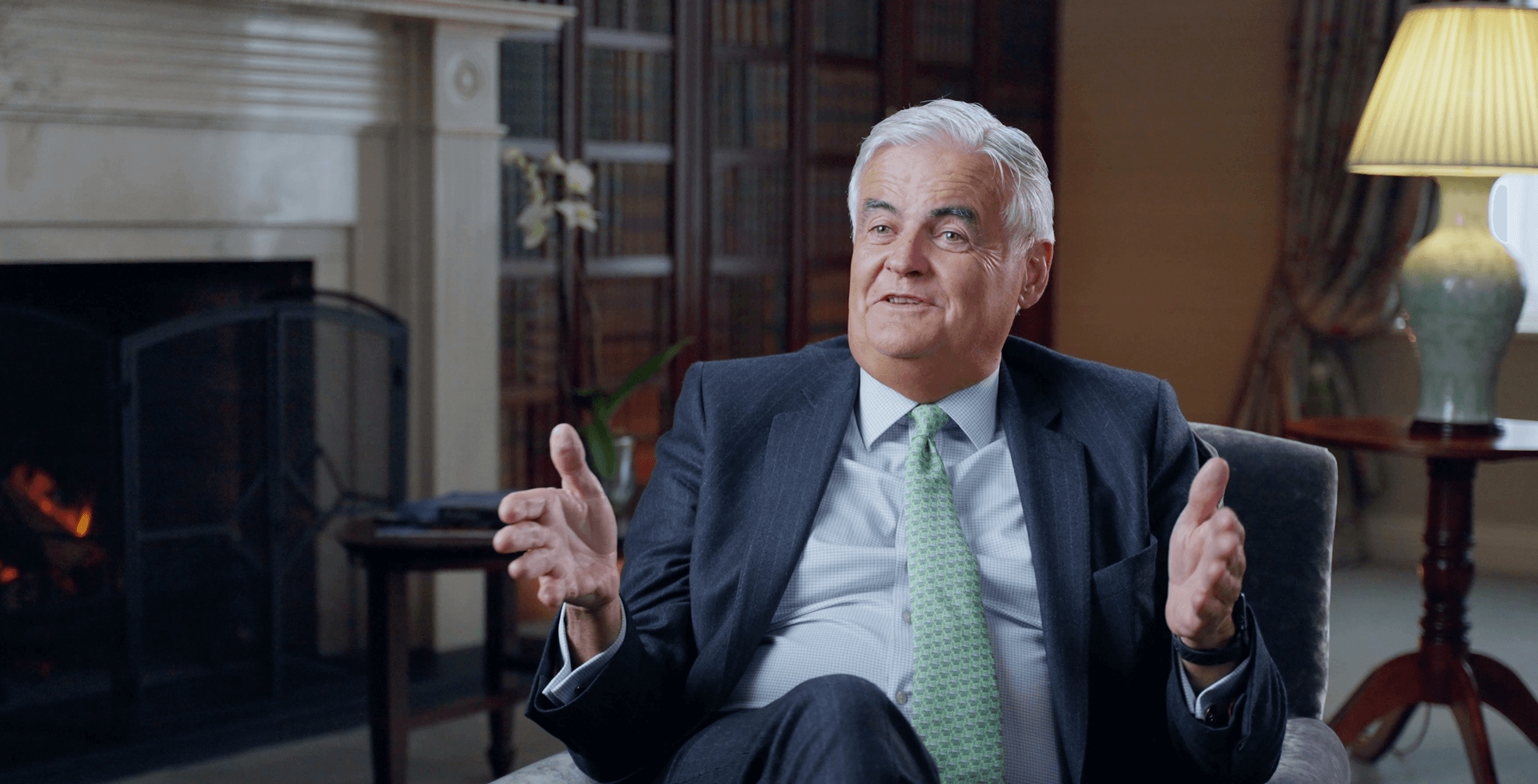
If you listened to Diarmuid’s recent masterclass on the Entrepreneur Experiment podcast with Gary Fox, you may have heard him mention a powerful behavioural bias that catches even the most successful founders off guard: The Dunning-Kruger Effect. In the episode, Diarmuid explains how a small amount of information can create disproportionate confidence. In investing, this often leads people to “wait for the dip”, attempt to time markets, or believe they can outsmart the mathematics of compounding. You can listen to that specific segment here (1:02:16).
In behavioural psychology, the Dunning–Kruger effect describes a cognitive bias where individuals with limited knowledge tend to overestimate their competence. Conversely, those with deeper expertise typically assess their ability more cautiously. This dynamic plays out repeatedly in personal finance and investing, often with costly consequences.
This pattern appears frequently in personal investing. Recognising it can make a meaningful difference to your long‑term financial outcomes.
Confidence Versus Understanding
Technology now allows anyone to begin investing within minutes. This accessibility is positive and empowering, yet it creates an important imbalance: confidence can grow much faster than knowledge. A few early wins, a persuasive influencer, or a run of favourable conditions can create the impression that markets are simple or predictable. Without a proper understanding of diversification, taxation, volatility, and behaviour, decisions can shift from strategic to reactive.
This does not reflect a character flaw. It is a normal human tendency. When we are early in any learning journey, we do not yet see the full complexity of the landscape.
Why Financial Planners Are More Measured
Experienced financial planners approach decisions differently. Years of training, regulation, and client experience shape a broader awareness of both opportunity and risk. That awareness naturally produces professional caution rather than bold certainty. Their advice is never based on guesswork or headlines. It is rooted in structured analysis, process, and listening.
Two elements sit at the centre of this approach.
- Listening Before Advising
A professional planner starts with a conversation: a client’s goals, family situation, timelines, and comfort with uncertainty. Financial planning is deeply personal. A strategy perfectly suited to one person can be wholly inappropriate for another. Listening ensures advice is tailored rather than templated.
- The Attitude to Risk Questionnaire
A core element of responsible planning is the attitude to risk questionnaire. This structured assessment identifies how comfortable someone is with:
- Possible fluctuations in value
- Short‑term losses
- Long‑term volatility
- Their investment time horizon
- Their capacity for loss
This process is not about labelling someone as high or low risk. Instead, it creates alignment between emotional comfort and long‑term objectives. It prevents clients from being placed into strategies that look attractive on paper but feel uncomfortable in reality. It also protects against overconfidence by grounding decisions in personal self‑awareness.
Caution Is a Form of Care
To an outside observer, a planner’s measured approach may look overly conservative. In reality, it reflects responsibility. Financial planners are not managing abstract figures. They are safeguarding homes, retirement funds, education funds, business continuity, and family security. Their aim is not chasing the highest possible return but pursuing steady, long‑term progress while maintaining stability.
Where inexperienced investors may focus on short‑term excitement, experienced planners prioritise resilience, diversification, and consistency.
The True Value of Expertise
The Dunning–Kruger effect highlights a simple truth: knowledge brings perspective. As understanding deepens, so does appreciation for nuance and uncertainty. That humility is not weakness. It is a hallmark of genuine expertise. Working with a professional financial planning firm is not about giving up control. It is about gaining clarity, structure, and partnership. Through careful listening and tools like the attitude to risk questionnaire, advice becomes aligned not just with financial objectives but with personal values and comfort levels.
In finance, the loudest voices are rarely the most reliable. Real expertise is typically quiet, deliberate, and grounded in care. Caution, when informed by knowledge and based on sincere client relationships, is not hesitation, it is an assurance.
Final Thoughts
Overconfidence can be costly. Professional caution, by contrast, is a powerful safeguard built on experience and genuine care. If you would like to explore how structured, personalised financial planning can support your long‑term goals, book a confidential consultation with our team today.
The content of this article is for information purposes only and does not constitute a personal recommendation. You should always speak to a financial adviser that is regulated by the Central Bank of Ireland when considering financial advice. Any recommendation made will be based on a full suitability assessment that will include a comprehensive review of your circumstances, needs and objectives. Past Performance Is Not A Guide To Future Returns.



In Their Own Words