

The Psychology of Wealth: How Behaviour Shapes Better Financial Outcomes
17th August 2026
“The greatest threat to a financial plan may not be the market. It may be the behaviour of the person behind it.” – Dr. Daniel Crosby
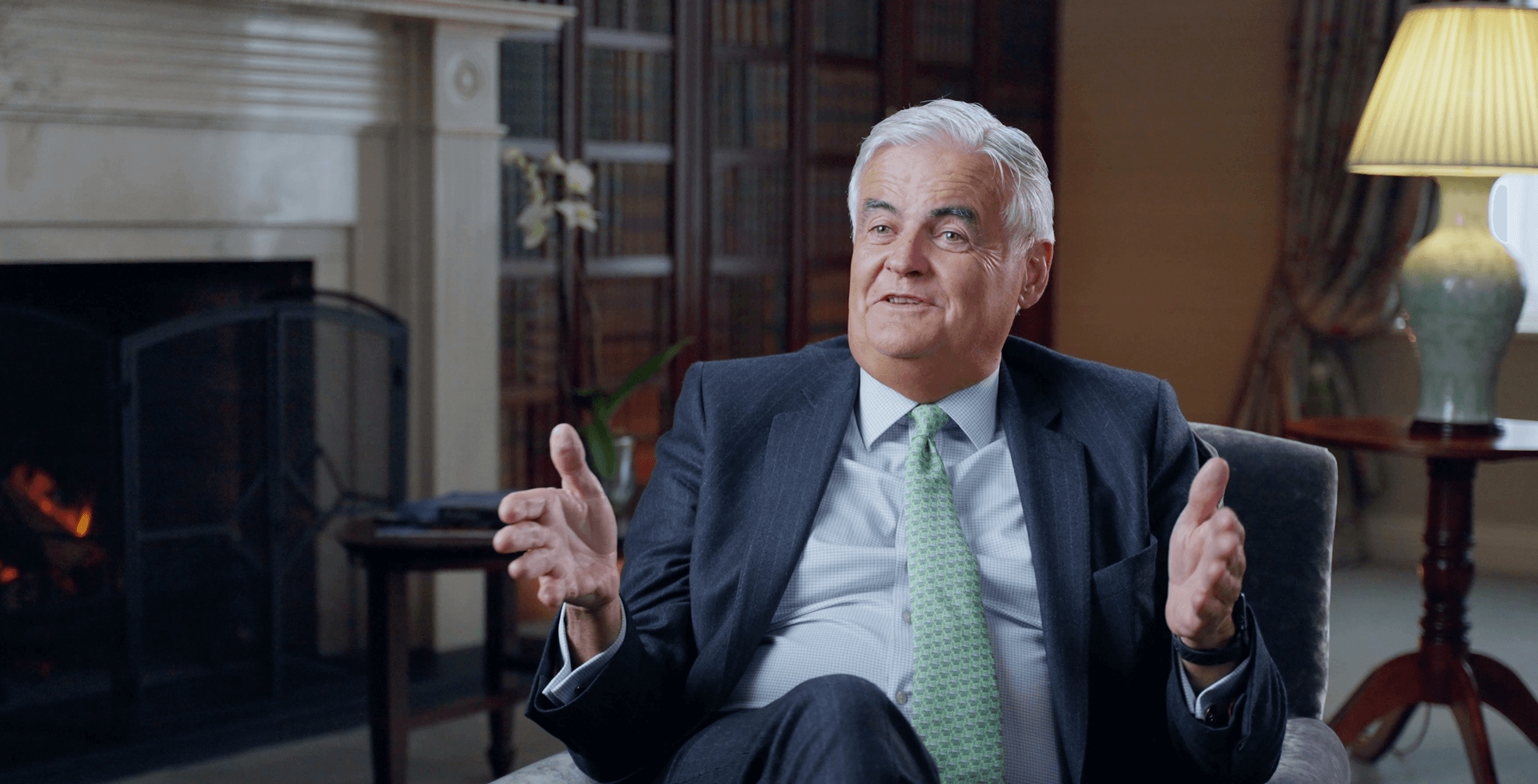
Last year, Diarmuid Corcoran explored this idea in conversation with Dr. Daniel Crosby, a psychologist, New York Times bestselling author, and one of the world’s leading experts in behavioural finance. Their discussion examined why knowledge alone rarely changes financial behaviour and what helps investors make better decisions when emotions run high.
The conversation reinforced an important truth: successful wealth planning is not just about understanding investments. It is about understanding ourselves.
When people think about building wealth, they often focus on investment performance, market trends, interest rates, or economic forecasts. These factors matter, of course, but they are only part of the picture. In many cases, the most important variable is human behaviour.
A strong financial plan can be carefully designed, a portfolio well-diversified, and retirement goals clearly mapped out. Yet, if an investor panics during volatility, chases trends, or abandons the strategy at the wrong time, even the best plan can be undermined. That is why behavioural finance has become such a critical part of modern wealth planning.
Why Good Financial Decisions Are So Difficult
Most people already understand the basics of long-term financial success. They know it is usually wise to spend less than they earn, invest consistently, avoid emotional decisions, and remain patient during market downturns. However, knowing what to do and actually doing it are two very different things.
This is where behavioural finance becomes useful. It helps explain why intelligent, successful people can still make poor financial decisions. Common emotional drivers include:
- Fear and panic during sudden market drops.
- Overconfidence during prolonged market rallies.
- Impatience with long-term, slow-growing strategies.
- Loss aversion, where the pain of losing feels worse than the joy of gaining.
- Social comparison, or chasing the financial success of peers.
For business owners and professionals, this challenge can be even greater. Wealth often brings more complexity, more decisions, and more emotional weight, the stakes are higher, and the consequences of poor decisions can last for years. A financial plan must therefore do more than show numbers on a page, it must actively support better behaviour.
The Three Foundations of Behavioural Change
In his conversation with Diarmuid, Daniel discussed three foundations that help people make better financial decisions. Together, these elements keep investors aligned with their long-term goals, even when markets feel uncertain.
- Education: Understanding What Matters
Education is the first step. When clients understand how markets work, why volatility is normal, and how long-term planning supports wealth creation, they are less likely to react emotionally to short-term events. Good financial education helps people recognise the difference between temporary market movement and permanent financial damage.
However, education alone is not enough. Many people know what they should do with their money, but still struggle to follow through. Knowledge does not automatically create discipline, which is why the next two elements are vital.
- Environment: Designing a Plan You Can Stick With
A person’s environment has a powerful influence on behaviour. In wealth planning, that environment includes the structure of the financial plan, the investment strategy, the level of risk, and how decisions are reviewed over time.
A portfolio should not simply be designed to maximise returns on a spreadsheet; it should be designed around the investor’s ability to stay committed. This is where the idea of “anxiety-adjusted returns” becomes useful. An investment strategy that looks perfect in theory is useless if it causes the investor to lose sleep or panic sell. The right plan is the one the client can live with and follow through different market conditions.
- Encouragement: The Value of Behavioural Coaching
A financial planner does not simply create a plan and walk away. They help clients stay focused when emotions, headlines, and uncertainty make it difficult to do so.
During periods of market volatility, selling investments, moving to cash, or chasing whatever appears to be performing well can feel sensible in the moment. Behavioural coaching helps clients pause, reassess, and return to the bigger picture. For many investors, avoiding one major emotional mistake is far more valuable than making several small analytical improvements.
The Missing Piece in Risk Assessment
Most people who have received financial advice are familiar with an attitude-to-risk questionnaire. While useful, they do not always capture the full picture. The Central Bank of Ireland’s investment rules refer to suitability in the context of a consumer’s attitude to risk and financial situation, highlighting the importance of aligning investment decisions with the person behind the portfolio.
Daniel’s behavioural finance perspective encourages a broader view of risk, breaking it down into three distinct categories:
| Type of Risk | Definition | Why It Matters |
| Risk Tolerance | A person’s willingness to accept investment risk in pursuit of potential return. | Usually assessed when calm. It helps shape the strategy but doesn’t predict behaviour under pressure. |
| Risk Capacity | How much risk someone can actually afford to take based on their financial circumstances. | Dictated by age, income, liabilities, and timeline. It grounds the financial plan in reality. |
| Risk Composure | How someone reacts emotionally when markets move sharply or uncertainty increases. | The missing piece. It identifies the gap between what someone believes they will do and what they actually do out of fear. |
During a major market fall, an investor may understand logically that selling is not the right long-term decision, but a lack of risk composure can still drive them to act against their own plan. That is not irrational; it is human.
Why Behaviour Matters More Than Prediction
One of the most damaging beliefs in investing is that success depends on predicting what happens next. In reality, few people can consistently predict markets, interest rates, inflation, or geopolitical events.
Long-term success depends less on prediction and more on preparation. A well-structured plan accepts that uncertainty is unavoidable, it builds in flexibility, accounts for risk, and helps clients make decisions before emotion takes over. Where financial complexity is high, decision-making discipline becomes even more valuable.
Building a Plan Around Human Behaviour
A behavioural approach to wealth planning starts with better questions. It does not only ask what return you want; it asks:
- What level of uncertainty can you live with?
- What would make you abandon your plan?
- How have you reacted to financial stress in the past?
- What does financial security actually mean to you?
- Which decisions would you regret most?
These questions create a deeper understanding of the person behind the numbers and help build a plan that reflects real life, not just financial theory.
Final Thoughts
Successful wealth planning is not just about forecasting markets, it is about creating a financial strategy that works with human behaviour rather than against it. Education helps clients understand what matters, the right environment helps them stay committed, and ongoing encouragement helps them avoid emotional mistakes.
Understanding your own behaviour may be one of the most valuable steps you can take in building lasting financial confidence. If you would like to build a financial plan that reflects both your financial goals and your decision-making style, book a confidential consultation with Chartered Capital today.
The content of this article is for information purposes only and does not constitute a personal recommendation. You should always speak to a financial adviser that is regulated by the Central Bank of Ireland when considering financial advice. Any recommendation made will be based on a full suitability assessment that will include a comprehensive review of your circumstances, needs and objectives. Past Performance Is Not A Guide To Future Returns.



In Their Own Words